
Introducing
mcPCR™
Like PCR, but for methylation
mcPCR makes amplifying DNA methylation possible for the first time
mcPCR: methyl copying PCR.
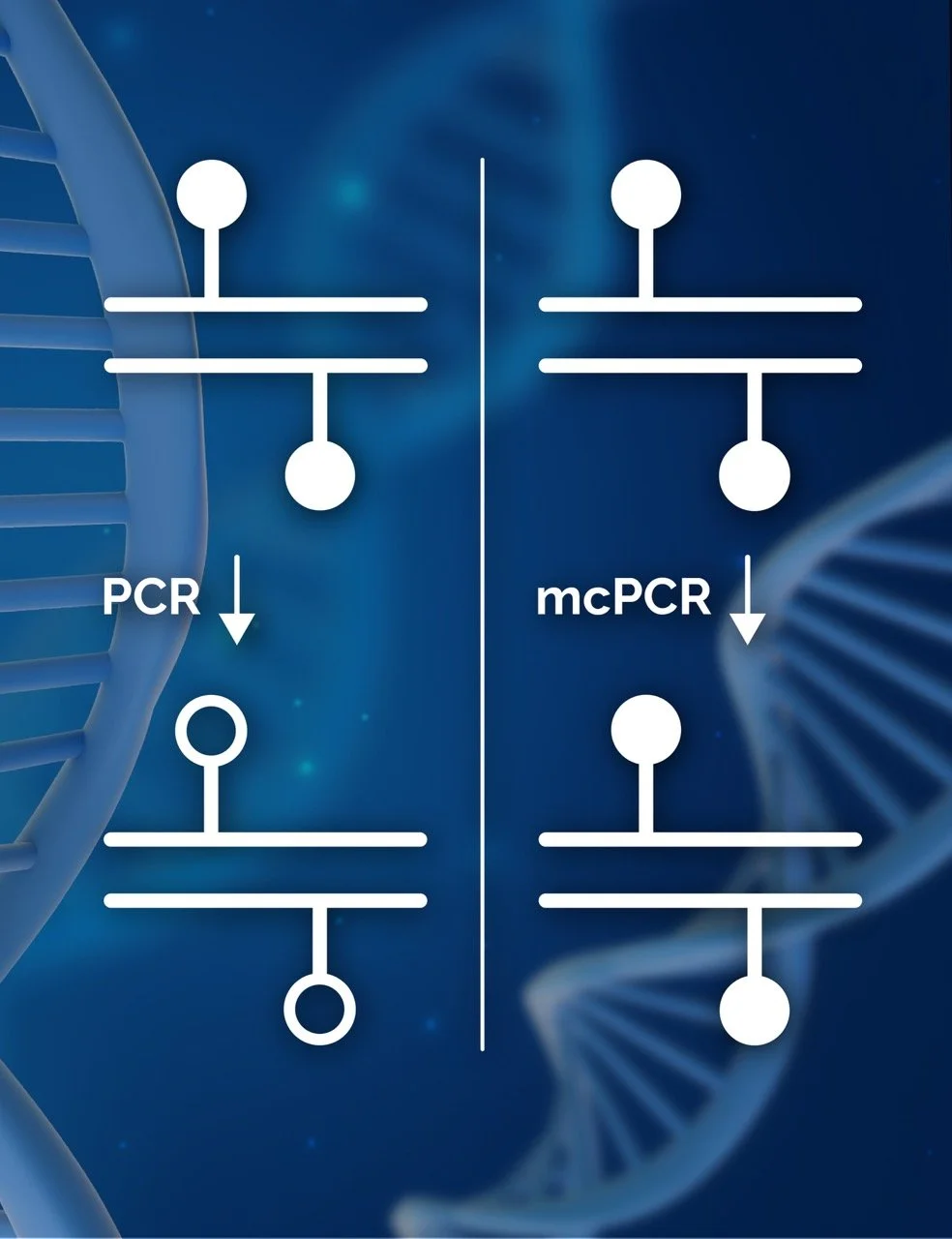
mcPCR is our novel and proprietary platform technology that preserves DNA methylation during DNA amplification. The method is analogous to traditional PCR, which efficiently and accurately copies the four-base code of DNA. But PCR cannot amplify the 5mC signal. By overcoming this fundamental limitation, mcPCR copies the original DNA methylation patterns and the underlying four-base code. This will enable simpler, faster and more sensitive analysis of methylated DNA even from the most limiting of clinical samples.
Why our technology matters
Methylation is an important biomarker for the diagnosis of many diseases, especially cancer.
The low levels of DNA present in many clinical samples poses a significant technical challenge, especially in non-invasive and small-sample biopsies necessary for early disease detection and recurrence monitoring.

Our patented mcPCR technology is designed for high throughput processing, with a non-destructive workflow that seamlessly integrates into downstream genomic and multi-omic analyses.

Helping detect diseases earlier
Our technology will make it possible to detect diseases earlier so that more lives can be saved.
mcPCR is built for clinical applications
Oncology testing and early cancer detection
Residual disease and treatment monitoring
Drug development and patient stratification
Detection and monitoring of chronic disease.
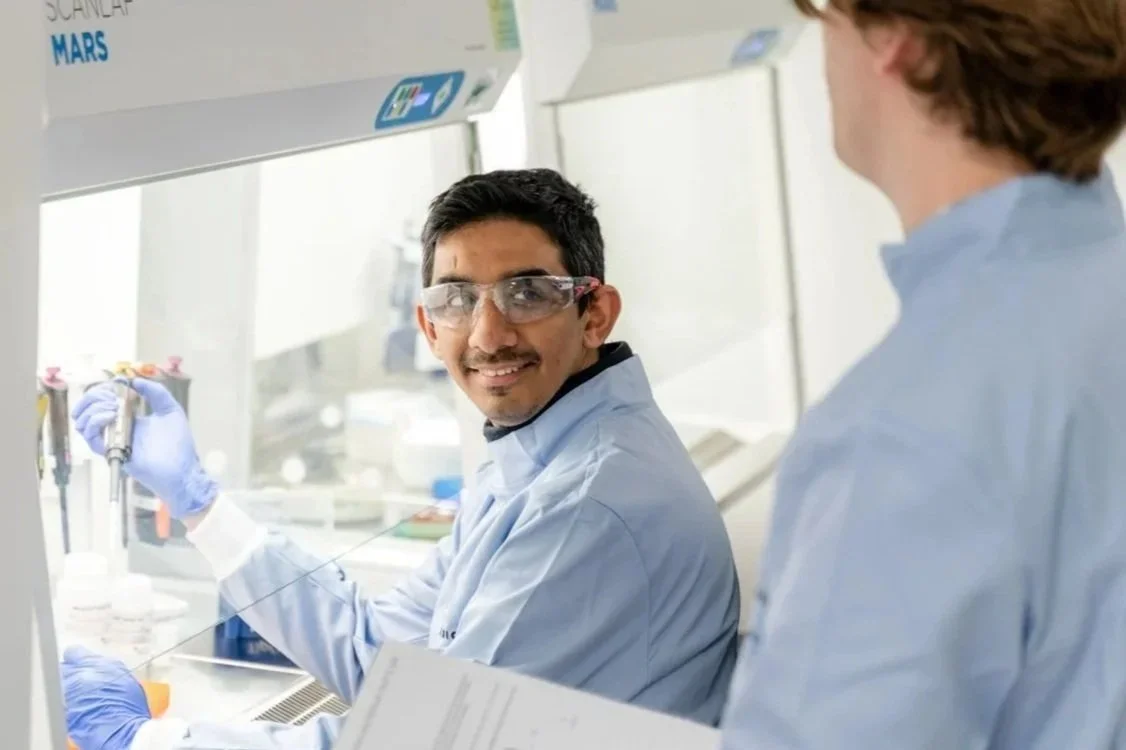
mcPCR technology can be applied to both whole genome and targeted workflows enabling genome-wide discovery and highly targeted follow up studies in larger populations.

The people behind mcPCR
Our team invented and developed NGS technology, from its very core foundations to becoming the most widely used DNA sequencing technology in the world.
We are here to change how science is done.
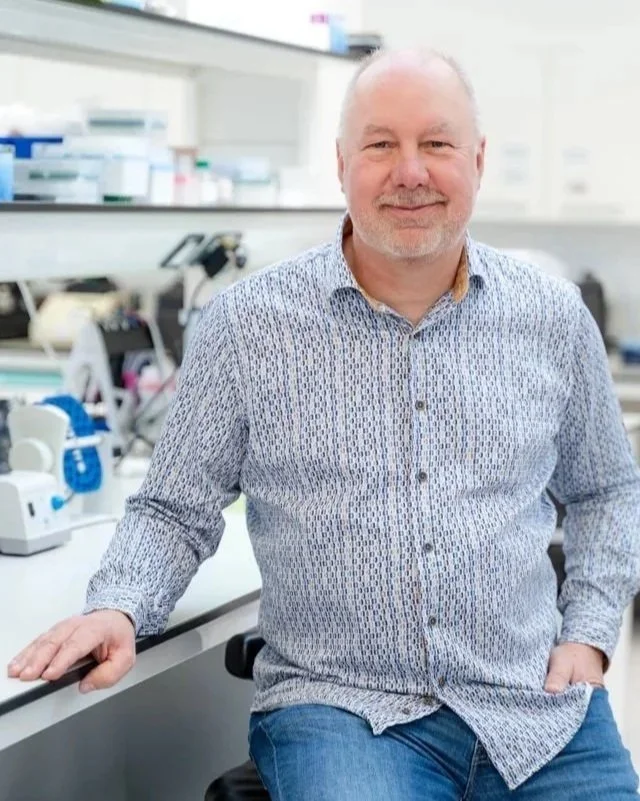
Geoff Smith, PhD.
Founder and CEO
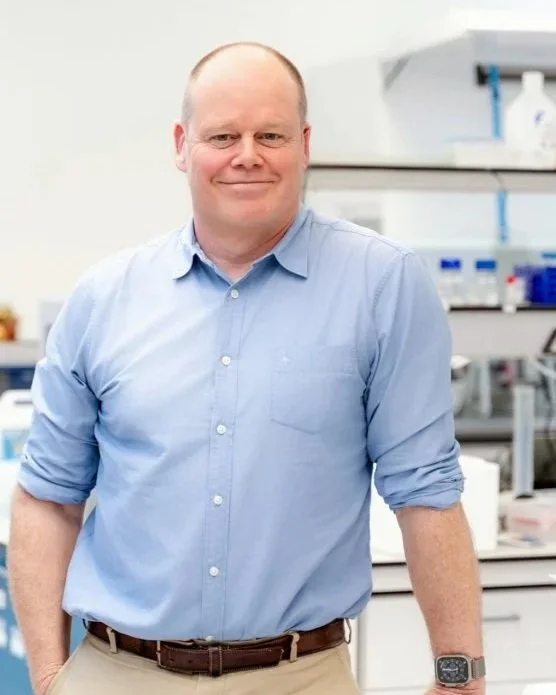
Jason Betley, PhD.
Chief Product Officer
We are backed by the best in the business.





We’re building the next era of molecular biology.
We believe it will be as transformative as PCR was 40 years ago.